Quasimorph Magnum Upgrades Guide
Practical department order beyond the ship lore page — what to buy and when
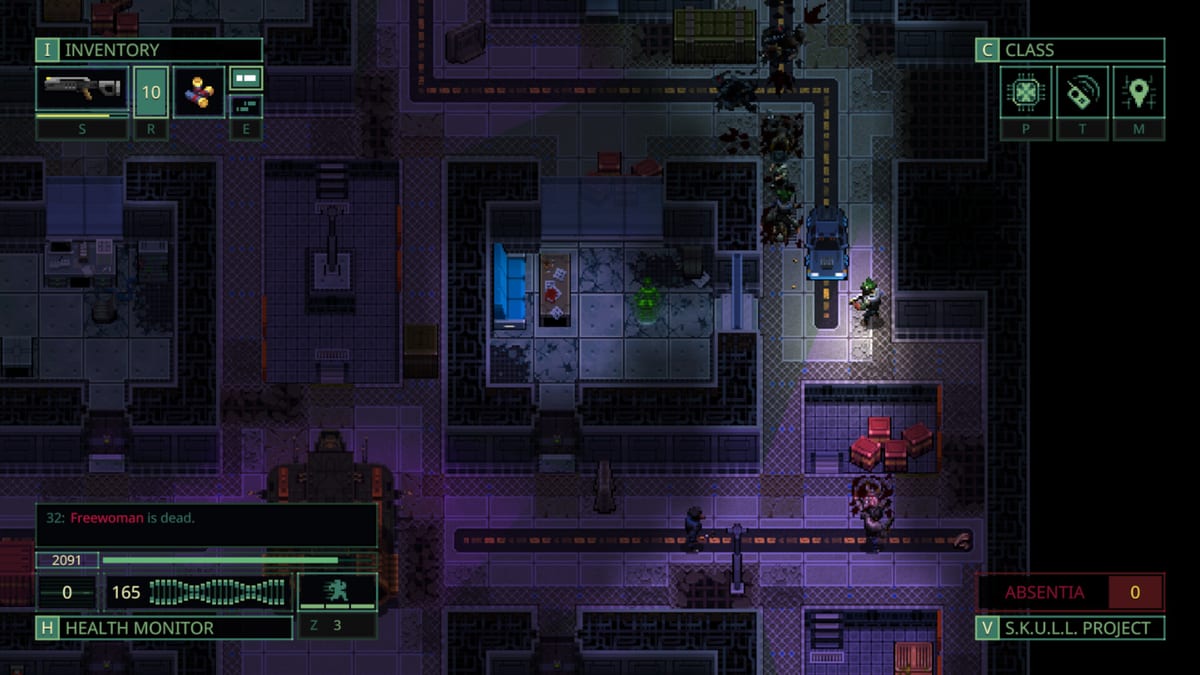
The Magnum Ship Guide explains what each department does in Quasimorph version 1.0. This page answers the harder question: what order should you spend credits, components, and chips on when every upgrade competes with the next clone kit? Magnum Scriptum’s turn-based extraction RPG gates destinations, readable contracts, shuttle logistics, metamorph contracts, and Class Chip unlocks behind seven upgrade tracks. Mis-prioritize and you either fly blind into horror stations or stall storylines because Navigation never opened the node you need.
Use this guide as a spending checklist between missions. Pair it with Getting Started with Quasimorph for the extract loop, Loot Priority Guide for farming the parts each row demands, and Loadout Planner before you deploy expensive chips on untested builds.
Early game: Navigation, Scanner, and Monitoring
Navigation still comes first — not because lore says so, but because locked map nodes block every other plan. One or two Navigation tiers before you leave the Mars triangle lets you reach optional stations on purpose instead of stumbling into Quasimorphosis you cannot survive. Sync Navigation unlocks with Campaign Overview so story contracts appear when your meds can support them.
Immediately after baseline Navigation, community routes converge on Scanner and Monitoring inside the ship tech tree. Scanner upgrades improve how much mission intel you see before launch — faction tech hints, container expectations, and clearer threat readouts on the briefing card. Monitoring upgrades make the Stock Exchange / contract board legible: travel time, beneficiary politics, and reward context stop feeling like guesswork. Players who skip Monitoring often accept contracts they cannot reach before Time remains expires, then blame skull ratings instead of ship UI.
Practical early rule: if you cannot read why a contract is dangerous, upgrade Monitoring before you buy another gun from Bartering on the Magnum. If you cannot tell what a station type drops, upgrade Scanner before you chase random loot.
Mid game: Supply, Engineering, and Research
Once contracts are readable, pivot to Supply and Engineering. Supply throughput determines how fast you refill medkits, bandages, splints, sorbets, and ammo after a wipe — horror runs burn consumables faster than Mars farms. Engineering unlocks bench tiers other departments depend on, including Quasimorphic augmentation sockets from Augmentations and Implants. Skipping Engineering produces a paradox: you have Research formulas on paper but no bench power to craft them.
Research belongs in mid campaign after Navigation opens the stations that drop rare inputs. Research unlocks recipes, weapon mods, and counters to faction-tier resistances documented in Quasimorph Midgame Combat Guide. Do not max Research while still struggling to extract from Phobos — Supply and Engineering stabilize repeat attempts first.
Hangar tech: Capsule, Shuttle rows, and delivery upgrades
Hangar is more than extra clone slots. The Hangar tree hides logistics upgrades that multiply everything else:
- Capsule evacuate slots — additional simultaneous extract options or staging capacity depending on tier. More slots mean you can rotate a horror kit, a Mars farmer, and a storyline specialist without overwriting prefabs.
- Shuttle inventory rows — expand how much the Trade Shuttle Guide can move per transaction. Critical when post-extract cleanup dumps mixed loot through typed barter or reputation sell mode.
- Trade Shuttle delivery upgrades — faster or broader proxy cargo routing from the Hangar branch. Pair with Stock Exchange Guide when you buy goods remotely instead of assaulting every station.
Hangar before Research max is valid if you juggle three roles across Mission Types in Quasimorph. Hangar after Research max is valid if one main clone carries everything. Pick based on how often you wipe and rebuild kits.
Cloning and recovery tempo
Cloning upgrades shorten downtime between failed horror extracts. Cloning does not replace skill — it replaces calendar time between learning Room Clearing Tactics under eccolapse pressure. Invest lightly during Mars certification, then surge Cloning when you push How to Beat Baron in Quasimorph or repeat RealWare floors after Patch 1.0 Release Notes softlock fixes.
On Unfair difficulty, Cloning matters more because Production starts locked and crafting runs slower per Difficulty Settings in Quasimorph. Budget Cloning before you assume bench refills will save a bad week.
Pact Department: exchange tier, not hoard tier
The Pact department from 1.0 is a mid-to-late investment. Its value is exchange: turn surplus low-tier pacts into higher-tier metamorph contracts, including outcomes that do not drop from Barons. Read full rules in Pacts and S.K.U.L.L. Project — this section only covers spending order.
Open Pact upgrades after Navigation and Supply stabilize your campaign, not before your first Quasimorphosis station. Spend junk pacts here instead of hoarding every card forever — version 1.0 ships 142 pacts, with roughly seventy tied to rites. Exchange when:
- You have duplicate low-tier cards safe to recycle.
- The output pact matches a build plan verified in Loadout Planner.
- You read Quasimorphosis cost on the result before consuming it on a deploy.
Do not burn rare Baron drops on exchange gambling until you understand horror meter budgets from Quasimorphosis Survival Guide.
Class Chip costs and late-game bottlenecks
Class Chips are the silent late-game tax. Barter and reputation gates hide chips behind faction stock documented in Quasimorph Factions Guide. Chip costs spike when:
- Multiple storylines demand different operator kits simultaneously.
- You unlock classes that change stance habits — test in Loadout Planner before purchase.
- You fund Pact exchanges and chip buys in the same week without a named loot target from Loot Priority Guide.
Late game spending order suggestion:
- Research max for resist counters on finale stations.
- Supply surge for Rapture attempts and multi-floor clears.
- Pact exchanges for build-defining metamorph before ending deploys.
- Class Chips that match proven playstyle, not collection completion.
- Cloning tempo to iterate Nine Endings Guide routes.
Phase checklist by campaign stage
Mars triangle (Absentia)
- Navigation tier 1–2 for optional nearby nodes.
- Monitoring + Scanner so contracts and stations make sense.
- Light Supply for baseline medkits.
- Minimal Engineering for first bench access.
First storyline act
- Navigation for story nodes per Walkthrough hub.
- Supply + Engineering to sustain repeated attempts.
- Research for dual-damage crafted kits.
- Light Hangar for role split if you run Defence farmers alongside assault kits.
Horror and endings
- Hangar shuttle rows and Capsule slots for kit rotation.
- Pact department exchanges for metamorph that Barons never drop.
- Cloning surge for iteration.
- Class Chips only after extract discipline is automatic.
Common upgrade mistakes
- Maxing Hangar before Research — pretty storage for kits that cannot kill outer robots.
- Ignoring Monitoring — unreadable contracts waste clones faster than weak guns.
- Hoarding every pact — Pact department exists to convert duplicates, not to fill infinite stash tabs.
- Buying Class Chips before mastering starter classes — chips change AP habits; learn Combat Stances first.
- Unlocking horror Navigation before Supply can refill meds — eccolapse runs become unrepeatable.
Related reading
- Magnum Ship Guide — department lore and seven-track overview.
- Bartering on the Magnum — reputation floors that funding ignores.
- Trade Shuttle Guide — Hangar delivery upgrades in practice.
- Stock Exchange Guide — buying after Monitoring makes prices readable.
- Patch 1.0 Release Notes — economy scope at launch.
Upgrade the Magnum with the same discipline you use to clear rooms. Readable contracts, stable supply, and intentional chip spending open the solar system; random maxing opens the clone bay.
Frequently Asked Questions
Quick answers to the most common questions.
What Magnum upgrades should I prioritize first in Quasimorph?
Navigation for map access, then Scanner and Monitoring so contracts and station intel are readable, then Supply and Engineering for medkits and benches. Hangar logistics and Pact exchanges come mid-to-late.
Why do players upgrade Scanner and Monitoring early?
Scanner improves pre-mission station intel. Monitoring makes the Stock Exchange contract board readable — travel time, politics, and rewards — so you stop accepting missions you cannot finish.
What Hangar upgrades matter besides clone slots?
Capsule evacuate slots, Shuttle inventory rows, and Trade Shuttle delivery upgrades from the Hangar tree. They multiply typed barter, reputation sells, and proxy cargo from the Trade Shuttle.
When should I invest in the Magnum Pact department?
Mid-to-late campaign after Navigation and Supply stabilize. Use it to exchange low-tier pacts for higher-tier ones, including some not dropped by Barons, not to hoard every card forever.
How do Class Chip costs fit late-game Magnum spending?
Chips are a late bottleneck behind faction barter and reputation. Buy only after starter kits are mastered and Loadout Planner confirms the chip matches your extract discipline.
Does this guide replace the Magnum Ship lore page?
No. The world Magnum Ship page explains departments and story ties. This guide is the practical spending order — what to upgrade this week versus next month.