Quasimorph Meta Progression Guide
What survives every wipe and how to invest ship resources wisely
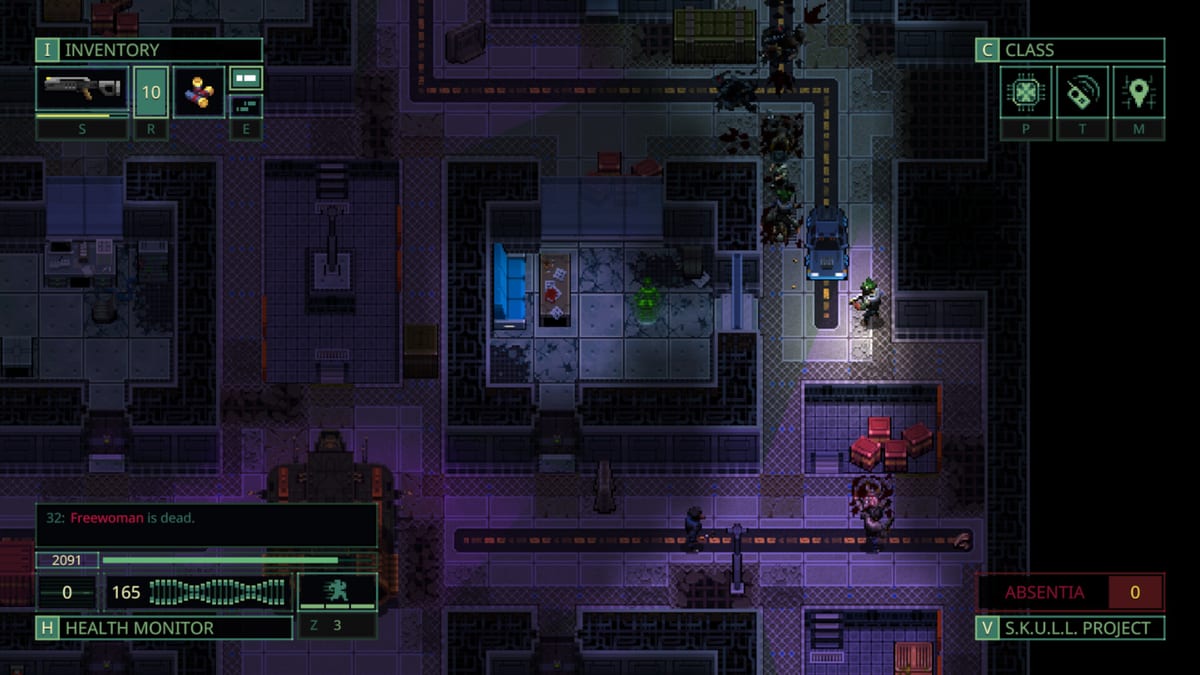
Quasimorph is a roguelite at the mission level but a persistent upgrade game at the ship level. Individual clone deaths are permanent — the body and loadout are gone — but everything purchased, unlocked, or stored on the Magnum survives every wipe. Magnum Scriptum designed this split so that even failed runs advance your long-term capability. Version 1.0 on July 31, 2026 kept this philosophy intact while adding new upgrade paths tied to 1.0 storylines and crafting chains.
This guide documents every persistence layer, explains upgrade priorities, and gives recovery tactics when meta progression stalls after a streak of failed extractions.
What persists after death
Understanding what survives clone death shapes every resource decision on the Magnum. Clone bodies reset, station loot resets, and Quasimorphosis meter resets — but ship-level investments compound across runs.
Always persists:
- Ship upgrades purchased on the Magnum (Conveyor, Scanner, Capsule, Clone Rank, and all nodes)
- Unlocked crafting recipes and bench recipes
- Class Chips used to imprint operator abilities
- Faction reputation and barter standing
- Weapons, armor, and consumables stored in ship inventory
- Credits and trade goods on the Magnum
- Story flags and quest progress tied to extracted items
- Map Editor projects and Mod Manager pack states
Always resets:
- Clone body, HP, wounds, pain, and inventory
- Equipment on the dead clone including extracted items not yet unloaded
- Quasimorphosis meter and Bramfaturas state
- Station patrol positions and control status
- Mission-specific temporary flags
Ship upgrades in priority order
Magnum upgrade nodes define your meta progression ceiling. Early Access players from October 2023 will notice that version 1.0 reordered some priorities, especially around production capacity and story-gated crafting benches.
Tier 1 — Foundation (first 10 extractions)
Conveyor — The first production slot is the single highest-value node in early game. It enables Sorbent crafting so failed runs cost less in consumables. Install immediately when opening cargo includes a Welder.
Scanner — Reduces blind searching on contract selection. When the mission board feels random, Scanner addresses that pain point directly.
Monitoring — Improves mission board visibility and reveals hidden contract details. Pairs with Scanner for informed selection.
Tier 2 — Capacity (10 to 30 extractions)
Clone Rank — Increases clone quality and starting stats. Higher rank bodies have better HP pools, pain thresholds, and stat baselines that reduce early wipe frequency.
Capsule — Protects storyline items and rare equipment from clone death. When you are carrying quest objects or meta weapons, Capsule ensures they return to ship inventory instead of vanishing on a dead body.
Additional Queue — Second production slot and queue slot enable parallel crafting. Queue medical supplies while crafting ammunition.
Tier 3 — Economy (30+ extractions)
Scavengers — Passive material generation between runs. Reduces dependency on mission loot for bench inputs.
Extended Storage — Increases ship stash capacity for weapons, armor, and trade goods. Critical when farming multiple loadout configurations.
Trade Shuttle — Unlocks bulk barter options and reduces prices at faction traders. See Trade Shuttle for mechanics.
Class Chips and operator unlocks
Class Chips drop from missions and appear at faction traders. They imprint operator abilities that persist across clone bodies — not bound to a specific clone. After imprinting, any new clone can access that class ability set.
How imprinting works:
- Acquire a Class Chip from mission loot or faction trade.
- At the Magnum, access the Clone menu and select a clone.
- Apply the Class Chip to imprint that class into the clone template.
- Future clones spawned from that template inherit the imprinted abilities.
Community consensus for class priority:
- Scouts of Hades — Starter class, strong base for new players, good Sneak synergy.
- Eclipse Blades — Strong melee burst potential, good for door peeking and aggressive play.
- Tunnel Rats — Excellent for loot-focused runs and cover play.
- Tifton’s Elite — Heavy weapons specialist for sustained fire and Conquest missions.
Full tier list and build notes in Classes Hub. Do not burn Class Chips on theory-crafted endgame fantasies before the basic loop works.
Crafting recipe unlocks
Crafting recipes unlock through three paths:
- Bench discovery — Use the crafting bench to experiment with material combinations. Some recipes reveal themselves through successful crafts.
- Mission drops — Datadisks and blueprint items from station loot unlock specific recipes when extracted.
- Faction trades — High-reputation faction traders sell rare recipe scrolls.
Prioritize medkit and sorbet recipes first. Energy weapon recipes and high-tier armor crafting become relevant once midgame kits stabilize. Full crafting guidance in Crafting and Consumables.
Faction reputation management
Faction standing gates trader access, mission availability, and story progression. Below-zero reputation can strip barter access entirely — a silent fail state that compounds across runs.
Key factions:
- Civil Resistance — Guerrilla fighter allies, data extraction missions.
- AnCom — Black market traders, aggressive loot contracts.
- RealWare — Industrial corporate power, heavy security maps.
- Tezctlan — Revivalist faction, unique barter goods.
- SBN — Corporate security, frequent early-game encounters.
Maintain reputation through mission choices and targeted farming. Defense contracts on horror stations offer stable reputation gains without Quasimorphosis escalation. See Factions Guide for detailed mechanics.
Recovery tactics after wipe streaks
When multiple failed clones stack losses, meta progression can stall. Recovery requires deliberate resource management and sometimes accepting temporary loadout downgrades.
Step 1 — Assess what survived
Check ship inventory for functional weapons and armor. Identify which upgrades are still operational and which were on the dead clone.
Step 2 — Prioritize production
Queue medkits and sorbets immediately. Even basic bandages reduce the cost of the next failed run.
Step 3 — Simplify loadout
Drop fancy multi-type builds in favor of reliable single-type kits that match your supply capacity. A simple kit that extracts beats an ambitious kit that does not.
Step 4 — Farm safe missions
Return to Mars, Phobos, or Deimos Absentia contracts. Focus on extraction, not story progress, until ship resources stabilize.
Step 5 — Reassess upgrade path
If Clone Rank is low, prioritize that node. If production is the bottleneck, invest in Conveyor and Additional Queue.
Version 1.0 meta progression additions
The July 31, 2026 launch added meta layers tied to new content:
142 pacts — Skull-linked bargains that persist across runs and gate storyline progression. Managing pact obligations affects which missions become available.
29 new guns — Expanded weapon pools require new crafting inputs and supply chains. Some new weapons appear only through faction reputation milestones.
Map Editor projects — Community mission creations persist in Mod Manager. Subscribed Workshop packs and local projects carry forward.
Storyline flags — Five major arcs from version 1.0 produce persistent story progress that unlocks new mission types, trader inventory, and crafting recipes.
Long-term meta goals
Experienced players target these milestones:
| Milestone | When | Why |
|---|---|---|
| Three working loadouts stored | 20+ extractions | Redundancy against clone death |
| All Tier 1 upgrades purchased | 10 extractions | Foundation for scaling |
| Medkit production automated | 15 extractions | Reduce consumable dependency |
| Class Chip library (4+) | 25 extractions | Build flexibility and counter options |
| Faction reputation above zero | 20+ extractions | Access to meta traders |
| Tier 2 upgrades complete | 30 extractions | Capacity for ambitious runs |
Meta progression in Quasimorph is the real game. Each extraction funds the next; each upgrade compounds capability. Treat the Magnum like a business, not a respawn point, and the nine endings become reachable.
Frequently Asked Questions
Quick answers to the most common questions.
What meta progression persists between Quasimorph runs?
Ship upgrades, Class Chips, crafting recipes, faction reputation, stored equipment, and credits persist. Clone bodies, station loot, and Quasimorphosis state reset each run.
What is the first ship upgrade to buy in Quasimorph?
Conveyor is the highest-priority first upgrade. It enables Sorbent crafting so failed runs cost less in consumables. Install it when opening cargo includes a Welder.
Do Class Chips work across all clones?
Class Chips imprint abilities into a clone template. Any clone spawned from that template inherits the imprinted class. Chips do not bind to individual clone bodies.
What happens to items on a dead clone?
Items in the dead clone's inventory are lost unless the Capsule upgrade is purchased. Capsule returns protected items to ship storage.
How do I recover after a wipe streak?
Simplify loadout to reliable single-type kits, return to Mars Absentia missions, queue medkit production immediately, and prioritize Clone Rank or Conveyor depending on which is the current bottleneck.
What changed in meta progression for 1.0?
Version 1.0 added 142 pacts, 29 new guns, Map Editor projects, and storyline flags from five major arcs. Crafting chains tied to new weapons and faction reputation milestones reshuffled upgrade priorities.